
Region / World History
South & Southeast Asia
Explore 22 selected events from South & Southeast Asia across the six reading eras, with dates, complete stories, representative locations and bibliographies.
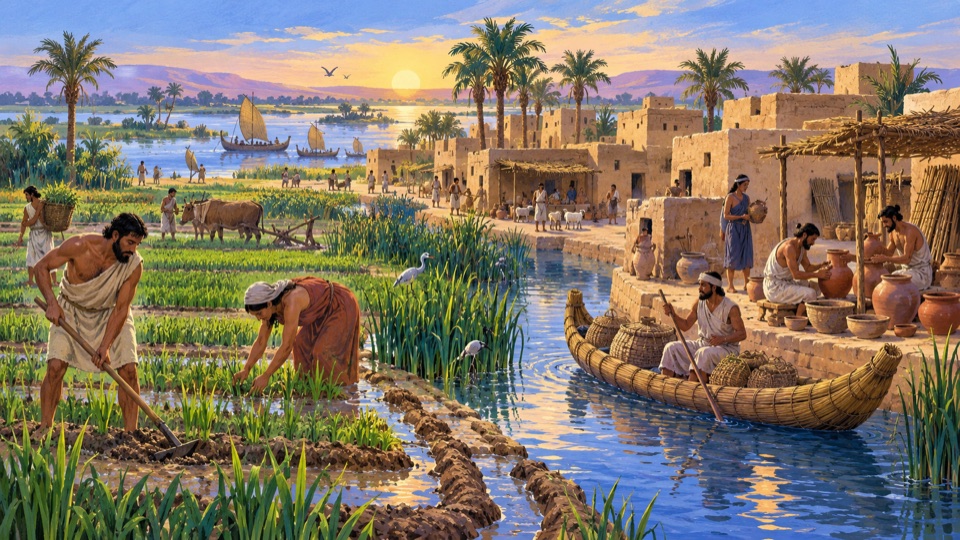
3500–801 BCE
Early Civilizations
800 BCE–499 CE
Classical World
Ashoka and Ideals of Government Carved in Stone
Ashoka of the Maurya dynasty used edicts to spread ideas of moral government and supported Buddhist activities, encouraging religious exchange across regions.
Ajanta: Buddhist Art on Rock Walls
Caves, paintings and sculpture joined worship, residence and storytelling in a landscape built over several phases.
Sanchi: Stupas and Monastic Space
Pillars, stupas and monasteries formed a lasting setting for Buddhist worship and community life.
Gandharan Buddhism and Its Spread Across Asia
Gandhara's monasteries and stupas received support from trading communities; Buddhist images combined several artistic traditions and spread along transport networks to other parts of Asia.
Nalanda: Knowledge within a Monastic Institution
Residential and educational buildings supported centuries of organized learning and influenced other Asian Buddhist institutions.
Sigiriya: A Capital on a Rock
A Sri Lankan ruler used a steep rock and a monumental approach to create a conspicuous royal centre.
500–1399 CE
Interwoven Worlds
Ajanta: Buddhist Art on Rock Walls
Caves, paintings and sculpture joined worship, residence and storytelling in a landscape built over several phases.
Nalanda: Knowledge within a Monastic Institution
Residential and educational buildings supported centuries of organized learning and influenced other Asian Buddhist institutions.
Borobudur: A Buddhist Monument in Java
Square terraces, circular platforms and stupas gave Buddhist ideas a distinctive architectural form in Java.
Angkor's Temples and Water-Based Urban Landscape
Khmer rulers built capitals, temples, and water-management systems in the Angkor region, linking agricultural production, royal power, and religious landscapes.
Bagan: Temples across a River Plain
A royal centre beside the Ayeyarwady left a wide landscape of temples, stupas, paintings and sculpture.
1400–1749 CE
Global Encounters
Angkor's Temples and Water-Based Urban Landscape
Khmer rulers built capitals, temples, and water-management systems in the Angkor region, linking agricultural production, royal power, and religious landscapes.
Da Gama Reaches India and Maritime Colonial Expansion
A Portuguese fleet sailed around Africa to Calicut, entering an established Indian Ocean trading world; subsequent voyages gradually intertwined with armed outposts.
The Mughal Dynasty and the Reshaping of South Asia
Babur's victory began the Mughal dynasty, whose succeeding rulers shaped large areas of South Asia through conquest, alliances, and administrative integration.
The Manila Galleons and Silver Across the Pacific
The route between the Philippines and Mexico connected Asian goods such as silk and porcelain with American silver, fostering sustained exchange across the Pacific.
The Taj Mahal: Courtly Patronage and Remembrance
A marble mausoleum at Agra joined royal remembrance with the artistic traditions of the Mughal court.
1750–1913 CE
Age of Revolutions
The Manila Galleons and Silver Across the Pacific
The route between the Philippines and Mexico connected Asian goods such as silk and porcelain with American silver, fostering sustained exchange across the Pacific.
The Indian Rebellion of 1857 and the Transformation of Colonial Rule
Indian soldiers and inhabitants in several regions resisted East India Company rule; although the rebellion was suppressed, it prompted the British crown to take direct control of colonial administration.
1914–2024 CE
Modern World
Indonesia's Declaration of Independence and Anticolonial War
Sukarno and Hatta declared independence, followed by war and negotiations with the Netherlands; the transfer of sovereignty in 1949 and the declaration of independence in 1945 were distinct milestones.
Independence and Partition in South Asia
British colonial rule ended and India and Pakistan became independent; partition also brought mass migration, violence, and enduring disputes.
The Republic of India and Its Constitution Take Effect
After independence, India established the institutional framework of a republic through constitution-making, enshrining the organization of the state, fundamental rights, and adult citizens' voting rights in its constitution.
Bandung: Asian and African Countries Speak Together
Representatives of 29 Asian and African countries met in Bandung to discuss anticolonialism, sovereignty, and cooperation, expressing newly independent countries' aspirations to participate in world affairs.
The Founding of ASEAN and Regional Cooperation in Southeast Asia
Indonesia, Malaysia, the Philippines, Singapore, and Thailand signed a declaration in Bangkok establishing the Association of Southeast Asian Nations to promote regional cooperation.
Khmer Rouge Rule and Cambodia's Social Catastrophe
The Khmer Rouge transformed society through forced migration, labor, and political persecution, with hunger, disease, and executions causing catastrophe; conflict continued after it lost Phnom Penh in 1979.
Saigon Changes Hands and the Vietnam War Ends
North Vietnam and its southern allies entered Saigon, and the South Vietnamese government surrendered, bringing the long war to its final stage; the following year's institutional unification of the state should be distinguished from that day's military outcome.